My Answers
Philosophy in plain English.
What makes a good life?
A good life is not necessarily an easy life, a wealthy life, or even a successful life.
For thousands of years philosophers have disagreed about what makes life good. I have come to believe that no single ingredient is enough.
Achievement matters. So do relationships. Curiosity matters. So does contribution. Pleasure has its place, but so do responsibility and purpose.
Perhaps the better question is not, “Did I get everything I wanted?”
It is: Did I use the life I was given well?
Did I love? Did I learn? Did I help anyone? Did I remain curious? Did I become someone I respected?
A good life is not measured only by what we accumulate.
It is measured by what remains meaningful when the accumulation no longer matters.
BACK TO QUESTIONS ↑
What is happiness?
We often treat happiness as a destination.
I will be happy when I have enough money. When I succeed. When I find the right person. When the problem disappears.
But life keeps moving the destination.
Happiness, I think, is less a permanent condition than a collection of moments we are awake enough to notice.
A conversation. Music. A meal. A dance. An idea. Someone we love sitting across the table.
The paradox is that we can spend so much time pursuing happiness that we forget to experience it.
Perhaps happiness is not having everything we want.
Perhaps it is occasionally realizing that, for this moment, what we have is enough.
BACK TO QUESTIONS ↑
Why are we afraid?
Fear is one of our oldest survival mechanisms. It protects us from genuine danger.
But human beings have become extraordinarily talented at being frightened by things that have not happened.
What if I fail?
What will people think?
What if I am rejected?
What if I begin again and discover I cannot do it?
Fear becomes dangerous when it stops warning us and starts governing us.
Courage does not mean having no fear.
It means understanding the fear, listening to what is useful in it—and refusing to give it the final vote.
BACK TO QUESTIONS ↑
How should we deal with failure and loss?
Failure and loss are not the same, but both can divide a life into “before” and “after.”
I have known both.
The temptation is to ask, “How do I get my old life back?”
Sometimes we cannot.
Then the question changes:
“What can I build from what remains?”
Failure can teach us. Loss can deepen us. Neither lesson makes the experience pleasant, and philosophy should never pretend that pain is merely an intellectual exercise.
But we are more than what happens to us.
We are also what we do next.
Beginning again does not erase what was lost.
It says that loss will not be allowed to write every remaining page.
BACK TO QUESTIONS ↑
What gives our life meaning?
Meaning is not something I believe we discover hidden somewhere, waiting for us.
We create it.
Through whom we love.
Through what we build.
Through what we teach.
Through the people we help.
Through curiosity, work, beauty, friendship, family, ideas, and contribution.
Meaning can change as our life changes. What gave us purpose at thirty may not be what gives us purpose at eighty.
That is not failure.
It is life.
A meaningful life does not have to be famous or extraordinary.
Sometimes meaning is simply knowing that because you were here, something—or someone—is a little better.
BACK TO QUESTIONS ↑
Can people really change?
Yes—and no.
We often imagine change as becoming an entirely different person.
I do not think that is how it usually happens.
We carry much of ourselves with us: our temperament, memories, habits, fears, desires, strengths, and contradictions.
But we can change how we understand them.
We can change what we do next.
We can become less afraid, more patient, more curious, more generous, more honest with ourselves.
I have reinvented my life more than once, yet each new version still contained the person who came before.
Perhaps real change is not becoming somebody else.
It is becoming more consciously who we choose to be.
BACK TO QUESTIONS ↑
Can we begin again?
I know the answer to this one personally.
Yes.
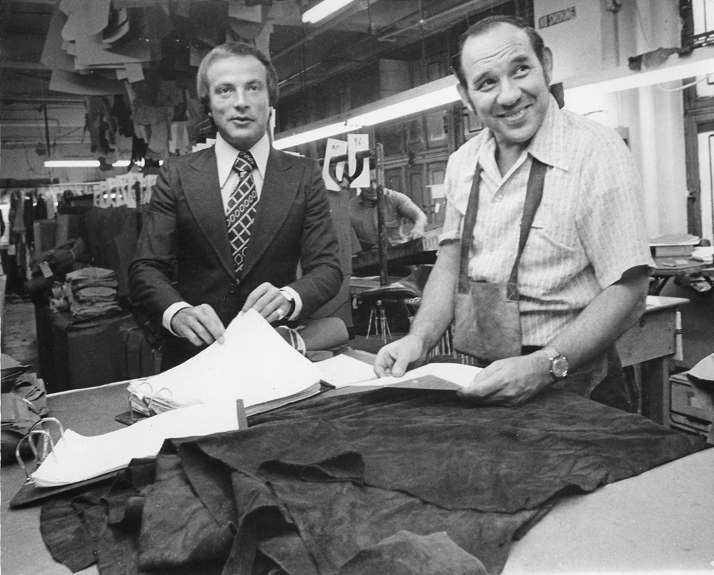
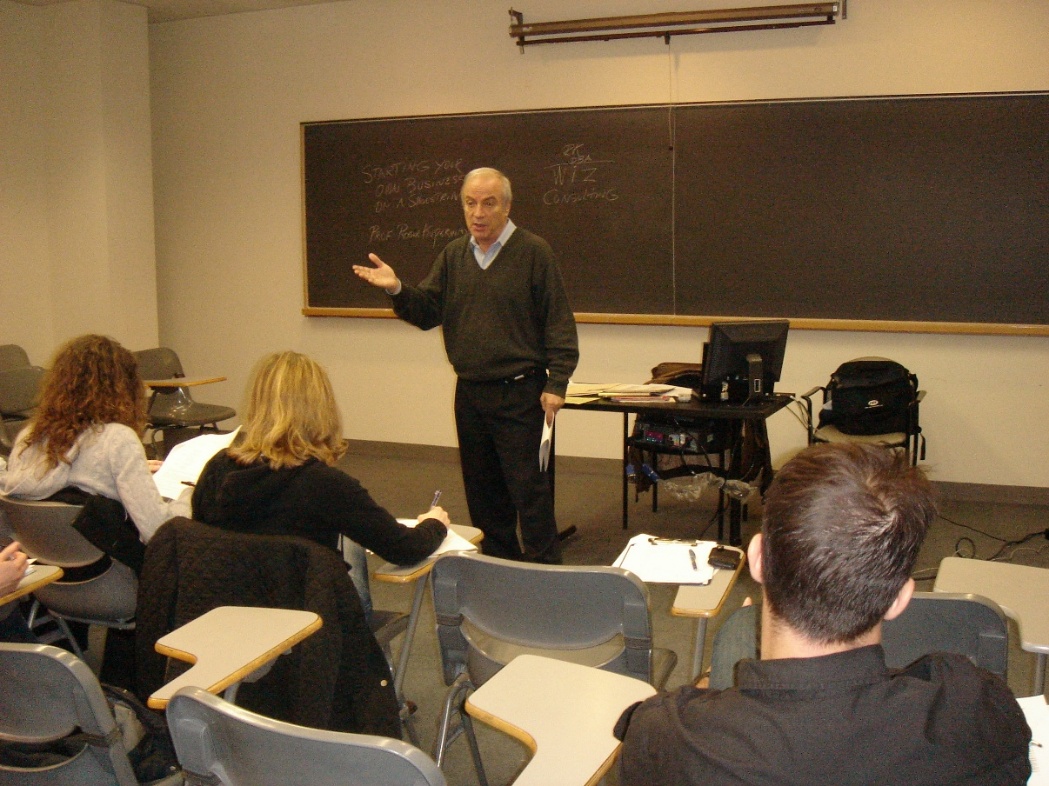
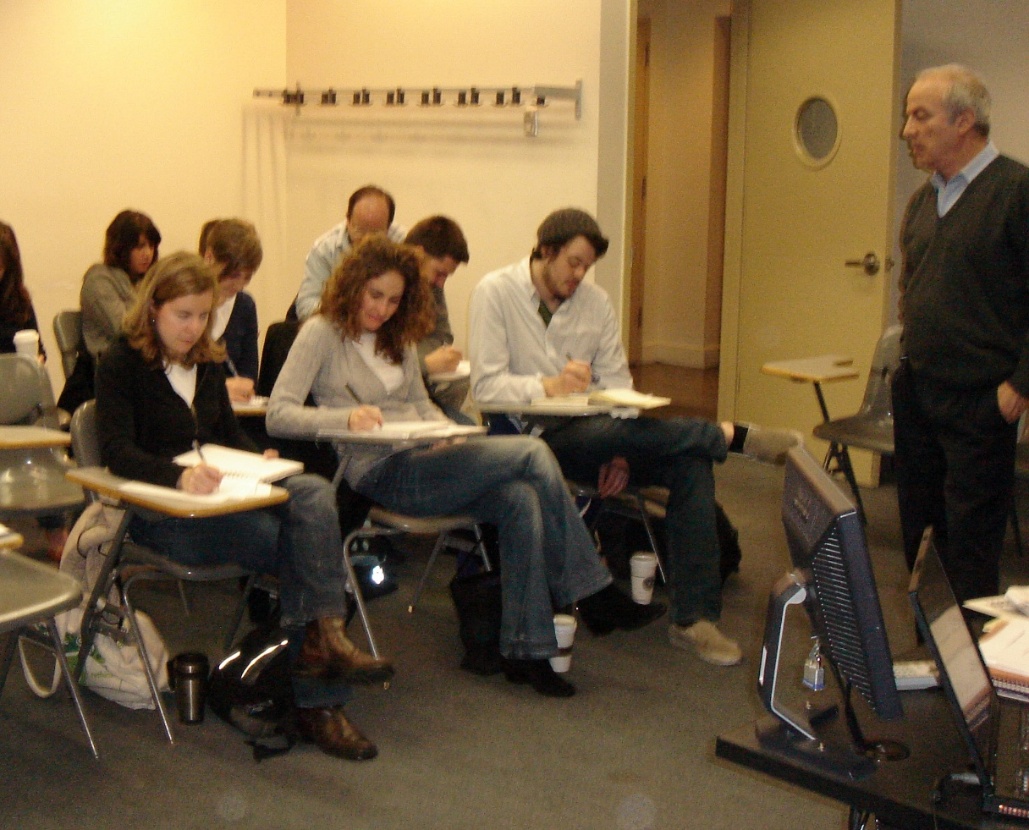
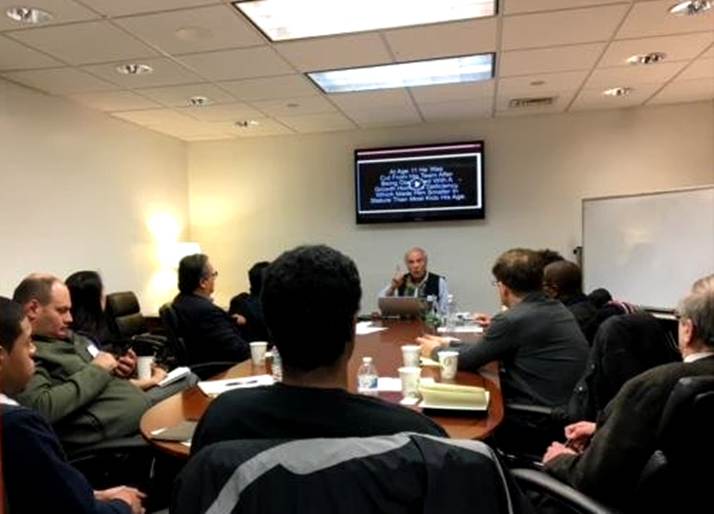
I have begun again in a new country, in new businesses, in new careers, in teaching, in tango, in philosophy, and in writing.
Some beginnings were exciting.
Others came because life closed a door I wanted to keep open.
Beginning again does not mean starting from nothing.
You bring your mistakes.
Your knowledge.
Your scars.
Your memories.
Your experience.
You are not starting over.
You are starting again—with everything life has already taught you.
As long as there is another chapter, the book is not finished.
BACK TO QUESTIONS ↑
How should we love?
Love is one of philosophy’s oldest subjects and one of life’s least manageable experiences.
We want love to make us safe.
But love requires vulnerability.
We want guarantees.
Love offers none.
To love another person is not to possess them or remake them into the person we would prefer.
It is to see them as they are—and still remain curious.
Love requires affection, certainly, but also respect, friendship, honesty, humor, patience, and the freedom to be oneself.
The walls we build to keep pain out can also keep love out.
So perhaps loving well begins with something both simple and difficult:
leaving the door open.
BACK TO QUESTIONS ↑
How should we face getting older—and eventually death?
Getting older is strange.
Inside, we do not necessarily feel like the number attached to us.
Then the mirror, the body, or the calendar occasionally reminds us.
We cannot negotiate with time.
But we can decide what relationship we have with it.
Knowing that life is finite can frighten us—or it can make life more valuable.
A limited supply of something tends to clarify its worth.
I do not think accepting death means becoming preoccupied with dying.
Quite the opposite.
It means becoming more conscious of living.
The question is not simply how much time remains.
It is: What will I do with the time that is still mine?
BACK TO QUESTIONS ↑
How should I live?
This may be the central question of philosophy.
And no philosopher—not Socrates, Aristotle, Montaigne, Spinoza, Nietzsche, or anyone else—can answer it completely for us.
They can challenge us.
They can offer ways of thinking.
They can warn us about our illusions.
But eventually each of us has to live the answer.
For me, living well means remaining curious.
Loving where I can.
Learning.
Creating.
Questioning my own assumptions.
Accepting that I will sometimes be wrong.
Beginning again when necessary.
And remembering that time is not something we own. It is something we are spending.
Perhaps the purpose of philosophy is not to tell us how to live.
Perhaps it is to make sure we do not go through life without ever seriously asking the question.
BACK TO QUESTIONS ↑